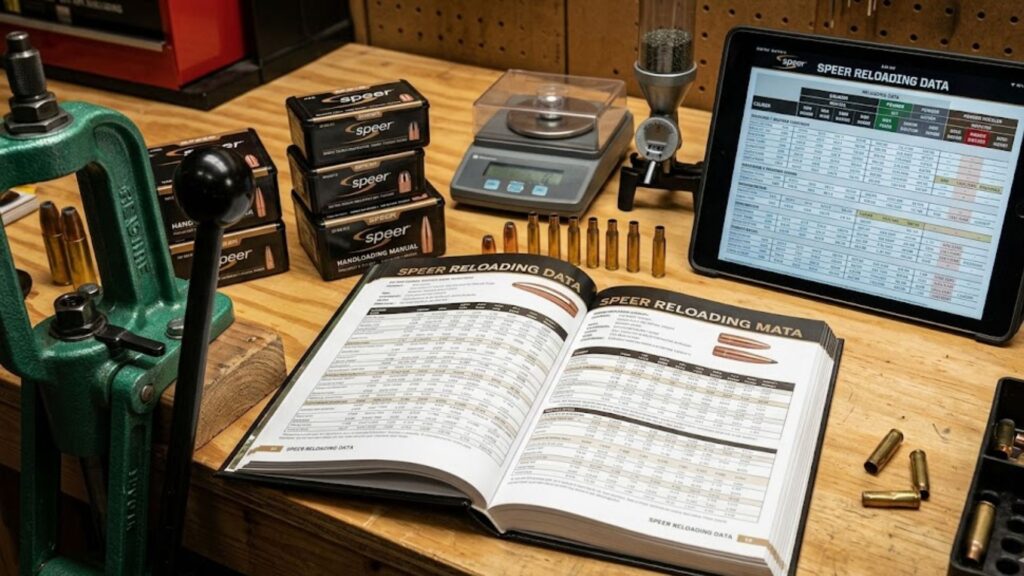
Reloading ammunition has become an essential practice for shooters who demand accuracy, cost efficiency, and consistency. Among the most trusted resources in the reloading community is Speer reloading data, known for its reliability and detailed guidance. Whether you are a beginner or an experienced handloader, understanding how to use this data effectively can significantly improve your shooting performance.
This article explores everything you need to know about Speer reloading data, while also addressing related topics people frequently search for, including comparisons with Hornady, Nosler, Sierra, and Hodgdon load data.
What Is Speer Reloading Data?
Speer reloading data refers to the tested and published load information developed by Speer, a well-known manufacturer of bullets and ammunition components. This data includes precise measurements for powder charges, bullet weights, cartridge overall length (COAL), and velocity expectations.
Each load is carefully tested under controlled conditions to ensure safety and performance. This makes it a trusted reference for handloaders who want to avoid dangerous overpressure situations while achieving optimal results.
Why Speer Reloading Data Is Trusted
One of the main reasons reloaders rely on Speer data is its consistency and scientific testing. Every load is pressure-tested using specialized equipment rather than relying solely on theoretical calculations.
Speer’s approach ensures:
- Reliable pressure levels
- Accurate velocity readings
- Compatibility with specific bullet designs
- Safe starting and maximum loads
This level of detail helps reloaders replicate results with confidence.
Speer Reloading Data vs Hornady Reloading Data
When comparing Speer reloading data with Hornady reloading data, the differences often come down to bullet design and testing methods.
Speer focuses heavily on bonded and traditional soft-point bullets, while Hornady is known for advanced bullet technologies like polymer tips and match-grade designs. Because of this, load data between the two may differ even for the same caliber.
Key differences include:
- Bullet construction variations
- Slight differences in powder charge recommendations
- Unique seating depths
- Velocity expectations
Reloaders should never mix data between brands without careful verification, as even small changes can impact pressure.
Speer Reloading Data for .223 Remington
The .223 Remington is one of the most popular calibers for both target shooting and varmint hunting. Speer reloading data for .223 provides a wide range of bullet weights, typically from 40 to 77 grains.
Important considerations when reloading .223 include:
- Choosing the correct powder for your barrel length
- Maintaining proper case preparation
- Monitoring pressure signs carefully
Speer data often includes both starting loads and maximum loads, allowing reloaders to safely work up to their desired performance level.
Speer Reloading Data for .243 Winchester
The .243 Winchester is favored for its versatility, making it suitable for both hunting and precision shooting. Speer reloading data for .243 typically includes bullet weights ranging from 70 to 100 grains.
Reloaders benefit from:
- Balanced velocity and recoil
- Excellent accuracy potential
- Flexible bullet selection
Speer’s tested data ensures that each load maintains safe pressure levels while maximizing ballistic performance.
Speer Reloading Data for 30-06 Springfield
The 30-06 Springfield remains a classic and powerful cartridge used worldwide. Speer reloading data for 30-06 offers a broad selection of bullet weights, usually from 125 to 220 grains.
This flexibility allows reloaders to tailor loads for:
- Big game hunting
- Long-range shooting
- Reduced recoil practice rounds
Speer’s data provides detailed powder combinations that help achieve optimal performance across these applications.
Comparing Speer with Nosler Reloading Data
Nosler reloading data is another highly respected source in the reloading community. While both Speer and Nosler offer reliable data, they differ in their bullet designs and testing priorities.
Nosler emphasizes premium hunting bullets such as partition and bonded designs, which may result in slightly different load data compared to Speer.
Key comparison points:
- Nosler often focuses on high-performance hunting loads
- Speer provides broader general-purpose options
- Load data variations reflect bullet construction differences
Using the correct data for the specific bullet you are loading is essential for safety.
Speer vs Sierra Reloading Data
Sierra reloading data is widely used by precision shooters, especially those focused on match-grade accuracy. Sierra bullets are known for their consistent weight and shape, which can influence load performance.
When comparing Sierra with Speer:
- Sierra emphasizes match accuracy
- Speer balances hunting and general shooting needs
- Powder charge recommendations may vary slightly
Both are excellent sources, but reloaders should always stick to the data that matches their chosen bullet brand.
The Latest Speer Reloading Manual
The latest Speer reloading manual is a comprehensive resource that includes updated load data, new bullet designs, and modern powder options.
It typically features:
- Step-by-step reloading instructions
- Safety guidelines for beginners
- Updated pressure-tested data
- Coverage of both common and rare calibers
Using the most recent manual ensures that reloaders are working with up-to-date information, especially as new powders and components enter the market.
Understanding Hodgdon Load Data
Hodgdon load data is often used alongside bullet manufacturer data because it focuses specifically on powder performance. It provides detailed information about how different powders behave under various conditions.
When combining Hodgdon data with Speer:
- Always cross-reference carefully
- Start with the lowest recommended load
- Never exceed maximum pressure limits
This approach helps ensure safe and consistent results.
Safety Tips for Using Speer Reloading Data
Reloading requires attention to detail and strict adherence to safety guidelines. Even with reliable data like Speer’s, mistakes can lead to dangerous outcomes.
Essential safety tips include:
- Always start with the minimum load
- Work up gradually while monitoring pressure
- Use the exact components listed in the data
- Inspect brass for defects
- Maintain consistent overall length
These practices help prevent accidents and ensure consistent performance.
Benefits of Using Speer Reloading Data
Speer data offers several advantages that make it a preferred choice among reloaders:
- Scientifically tested and verified loads
- Wide range of calibers and bullet types
- Clear and easy-to-follow format
- Trusted reputation in the shooting community
These benefits make it suitable for both beginners and experienced reloaders.
Common Mistakes to Avoid
Even experienced reloaders can make mistakes if they are not careful. Some of the most common errors include:
- Mixing data from different bullet manufacturers
- Ignoring overall length specifications
- Using incorrect powder types
- Skipping incremental load testing
Avoiding these mistakes is crucial for maintaining safety and accuracy.
FAQs
What makes Speer reloading data reliable?
Speer data is developed through controlled testing using pressure-measuring equipment, ensuring safe and accurate load recommendations.
Can I use Speer data with other bullet brands?
It is not recommended. Each bullet brand has unique characteristics that can affect pressure and performance.
Is Speer reloading data suitable for beginners?
Yes, it includes clear instructions and starting loads, making it a good choice for those new to reloading.
How often is Speer data updated?
Speer periodically releases updated manuals that include new powders, bullets, and improved testing methods.
Can I combine Speer data with Hodgdon powder information?
Yes, but only with careful cross-referencing and by starting at the minimum load levels.
What calibers are covered in Speer manuals?
Speer manuals cover a wide range, including popular options like .223, .243, and 30-06, along with many others.
Conclusion
Speer reloading data remains one of the most trusted resources for handloaders seeking precision, safety, and consistency. Whether you are working with .223 Remington, .243 Winchester, or 30-06 Springfield, Speer provides detailed and reliable information to guide your process. By understanding how Speer compares with other data sources like Hornady, Nosler, Sierra, and Hodgdon, reloaders can make informed decisions and achieve better results. Always prioritize safety, follow tested data, and continuously refine your technique to get the most out of your reloading experience.


