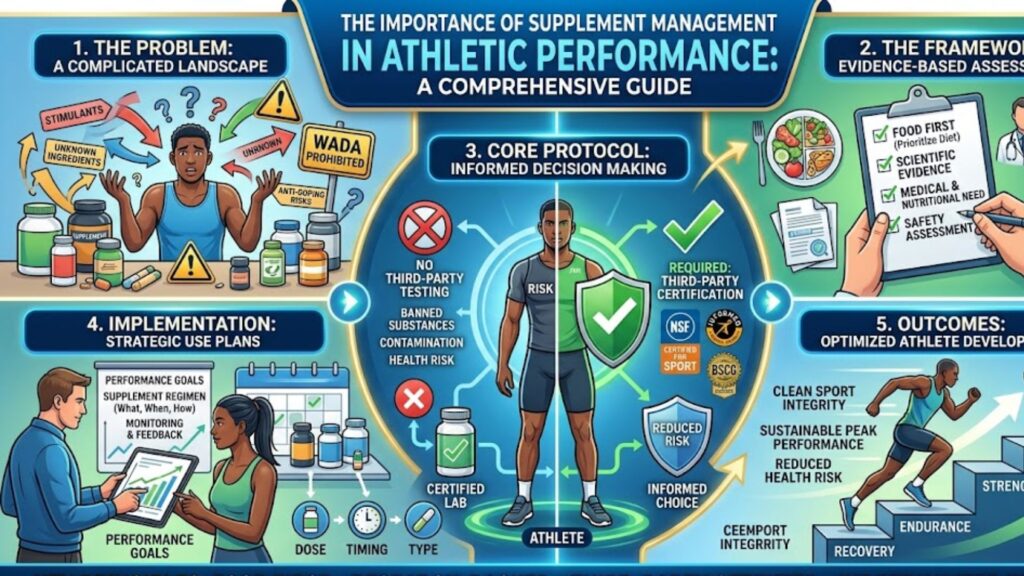
In the world of athletics, every edge counts. Athletes, whether amateur or professional, are constantly looking for ways to enhance their performance, recover more efficiently, and optimize their physical capabilities. One tool that has gained considerable attention in recent years is the use of supplements. Supplements can provide the essential nutrients and compounds needed to fuel the body, support training, and expedite recovery. However, the importance of supplement management cannot be overstated. The efficient and responsible use of supplements is key to maximizing their potential benefits while avoiding any adverse effects.
Understanding Supplement Management
Supplement management refers to the careful selection, monitoring, and utilization of nutritional supplements to enhance athletic performance. It goes beyond simply choosing a product and incorporating it into one’s routine. It involves understanding which supplements are necessary, the appropriate dosage, timing, and potential interactions with other supplements or medications. When done correctly, supplement management can significantly contribute to an athlete’s overall health, performance, and recovery.
However, without proper management, athletes may experience negative outcomes, including wasted resources, ineffective results, or even harm to their health. Hence, supplement management is a critical aspect of an athlete’s training regimen.
Types of Supplements Commonly Used by Athletes
Athletes turn to a wide variety of supplements to meet their nutritional needs. These include vitamins, minerals, protein powders, amino acids, creatine, electrolytes, and energy boosters, among others. Below is a breakdown of some of the most popular supplements used in the athletic world:
- Protein Supplements: Protein is essential for muscle repair and growth. Many athletes supplement their diet with protein powders to ensure they are meeting their protein needs, especially after intense workouts or competitions.
- Creatine: Creatine is one of the most widely used supplements in sports, particularly for athletes involved in short bursts of high-intensity activities like weightlifting, sprinting, or team sports. It helps in energy production during these short bursts, enhancing strength and power.
- Amino Acids: Amino acids, particularly Branched-Chain Amino Acids (BCAAs), play a key role in muscle repair and preventing muscle breakdown during prolonged exercise.
- Electrolytes: Electrolyte supplements are vital for athletes involved in endurance sports, where prolonged sweating can lead to a depletion of sodium, potassium, calcium, and magnesium.
- Vitamins and Minerals: Vitamins such as vitamin D, and minerals like iron and calcium, are crucial for overall health and athletic performance. They help in maintaining bone health, immune function, and energy production.
The Importance of Personalized Supplementation
One size does not fit all when it comes to supplementation. Every athlete has unique needs depending on factors like their training regimen, sport type, body composition, and overall health. For instance, a sprinter might need different supplements compared to a long-distance runner or a weightlifter.
Personalized supplementation is crucial because it ensures that an athlete is getting the right nutrients in the right amounts. Consulting with a sports nutritionist or a health professional can help tailor a supplement regimen to the specific needs of the individual. Personalized supplement management helps avoid unnecessary intake of supplements, which could lead to adverse effects or financial waste.
Proper Timing and Dosage: Key to Effectiveness
One of the most important aspects of supplement management is understanding the proper timing and dosage of supplements. Timing can make a significant difference in the effectiveness of a supplement. For example, consuming protein after a workout can help with muscle repair and growth, while taking electrolytes before a workout might help prevent dehydration.
Each supplement has an optimal timing window, and understanding these can make the difference between success and disappointment. Over-consumption or under-consumption of supplements can lead to ineffective results or potential harm to the body.
Supplements for Recovery
Recovery is just as important as the training itself. Proper recovery allows athletes to perform at their best and avoid overtraining injuries. Supplements can play a vital role in the recovery process by aiding in muscle repair, reducing inflammation, and replenishing energy stores.
- Protein: Consuming protein shortly after training provides the body with the necessary building blocks to repair muscle tissue.
- Omega-3 Fatty Acids: These can help reduce inflammation and muscle soreness, aiding in faster recovery.
- Glutamine: This amino acid helps with muscle recovery, reducing soreness, and improving immune function.
- Magnesium: This mineral is crucial for muscle relaxation and reducing cramps, making it important for post-workout recovery.
Avoiding Potential Risks in Supplementation
While supplements can be beneficial, they also carry potential risks if mismanaged. Over-supplementation is a common issue, where athletes consume excessive amounts of certain nutrients, leading to toxicity or imbalances. For example, excessive vitamin A or D intake can lead to toxicity, while too much protein can strain the kidneys.
In addition, the quality of supplements matters. Some supplements may contain harmful substances or be contaminated with banned substances, which can lead to unintended consequences such as disqualification in competitive sports. Athletes should ensure that their supplements are sourced from reputable brands and, where applicable, tested for purity and safety.
The Role of Supplement Management in Long-Term Health
Athletes must consider the long-term implications of supplement use. The pursuit of short-term performance gains should not come at the expense of overall health. Responsible supplement management focuses not only on improving performance but also on supporting long-term health and well-being. A balanced approach, including proper diet, supplementation, and rest, is essential for sustainable athletic success.
Additionally, athletes should periodically review their supplement regimen to ensure it aligns with their evolving needs. Changes in training intensity, goals, or even age can affect nutrient requirements, necessitating adjustments to the supplement plan.
Supplements and the Role of Technology: Thespoonathletic and Supplement Tracking
In today’s digital age, technology plays a vital role in supplement management. Tools and apps that help athletes track their supplements and monitor their nutritional intake can simplify the process and ensure more accurate results.
One such example is Thespoonathletic, a platform designed to help athletes track their supplement intake and optimize their nutrition plan. Thespoonathletic offers features like supplement tracking, dosage recommendations, and detailed reports, allowing athletes to make data-driven decisions about their supplement regimen.
Using technology for supplement management can lead to better outcomes, as it provides athletes with the ability to monitor their progress and make adjustments based on their performance.
Conclusion
Supplement management is an essential aspect of an athlete’s journey. It involves more than just taking pills or powders; it requires a thoughtful approach that includes selecting the right supplements, managing their timing and dosage, and considering their long-term effects on health. When done correctly, supplement management can greatly enhance athletic performance, aid in recovery, and support overall well-being. However, it is important for athletes to remember that supplements should never replace a well-balanced diet or proper training. They should complement an athlete’s existing regimen, ensuring they are getting the nutrients needed for optimal performance. Responsible, personalized supplement management will not only support better training and recovery but also pave the way for a healthier, longer athletic career.


