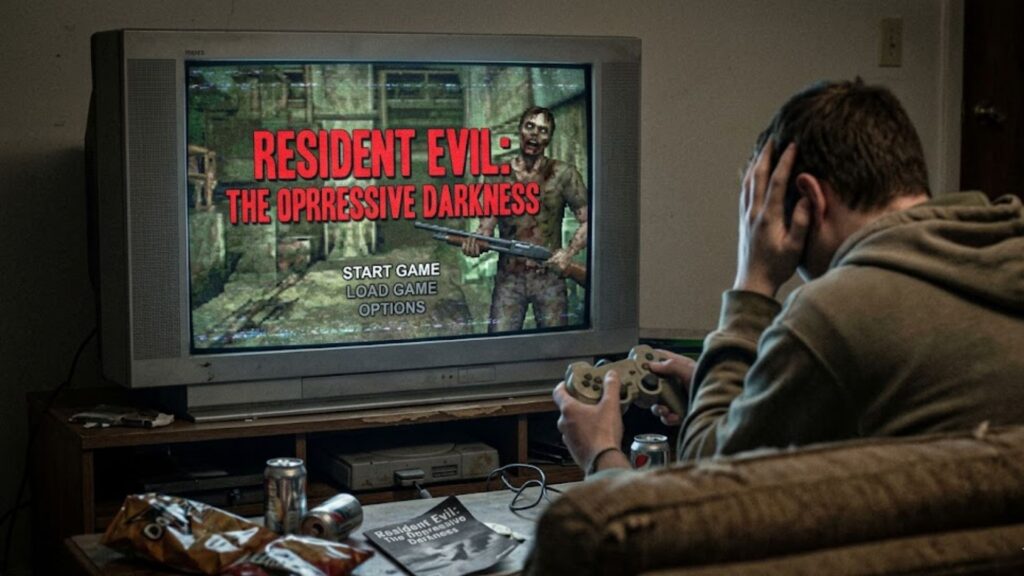
The Resident Evil franchise has long been one of the most iconic names in survival horror, blending tension, storytelling, and gameplay innovation in a way that reshaped the gaming industry. From the eerie corridors of the Spencer Mansion to modern cinematic experiences, the series has evolved dramatically over decades. However, not every entry has been universally praised. In fact, the debate over the “worst Resident Evil game” continues to spark heated discussions among fans and critics alike. While the franchise has achieved incredible highs, it has also stumbled along the way, producing titles that left audiences disappointed or divided. Understanding what makes a Resident Evil game “the worst” requires examining fan expectations, gameplay design, narrative direction, and how well each title aligns with the series’ roots. In this article, we explore the most criticized entries, why they failed to resonate with players, and how they compare to the best moments in the franchise.
What Defines the Worst Resident Evil Game?
Labeling a game as the worst in a beloved series is not always straightforward. The Resident Evil franchise spans multiple genres, from survival horror to action-heavy shooters, and each shift has brought both praise and criticism. For many fans, the core identity of Resident Evil lies in its atmosphere, resource management, puzzle-solving, and slow-building fear. When a game deviates too far from these elements, it risks alienating its audience. The “worst Resident Evil game” is often defined by a combination of factors: poor storytelling, repetitive gameplay, lack of innovation, technical issues, or a drastic departure from the franchise’s roots. While some players enjoy experimentation, others see it as a betrayal of what made the series special in the first place.
Why Resident Evil 6 Is Often Criticized
Among all entries, Resident Evil 6 frequently appears in discussions about the worst Resident Evil game. Released in 2012, it aimed to deliver a massive, cinematic experience with multiple storylines and interconnected characters. On paper, it sounded ambitious and exciting. In reality, it became one of the most divisive titles in the series. One of the main criticisms of Resident Evil 6 is its heavy focus on action over horror. Instead of tense exploration and limited resources, players were given fast-paced combat, explosive set pieces, and constant enemy encounters. While this approach appealed to some players, many longtime fans felt that the game abandoned the survival horror roots that defined earlier entries. Another issue was its overly complex narrative. The game featured multiple campaigns with overlapping timelines, which often made the story confusing and difficult to follow. Rather than enhancing the experience, this structure left players feeling disconnected from the characters and plot. Additionally, the gameplay mechanics were seen as clunky and inconsistent. Despite introducing new movement options and combat features, the controls often felt unpolished. Combined with repetitive enemy encounters and a lack of meaningful puzzles, the experience became more exhausting than engaging.
Other Contenders for the Least Liked Resident Evil Game
While Resident Evil 6 is often cited as the worst, it is not the only entry to receive criticism. Several other titles have also been labeled as low points in the franchise.
Resident Evil: Operation Raccoon City
Resident Evil: Operation Raccoon City attempted to take the series in a completely different direction by focusing on team-based shooting mechanics. Instead of playing as familiar protagonists, players controlled members of an Umbrella Security Service squad. The game emphasized multiplayer and action, but it lacked the depth and atmosphere fans expected. Critics pointed out its weak AI, uninspired level design, and lack of emotional connection to the story. While the concept of exploring Raccoon City from a different perspective had potential, the execution fell short.
Resident Evil Survivor
Another often-mentioned title is Resident Evil Survivor, a spin-off that experimented with first-person shooting. At the time, the idea was innovative, but the game suffered from poor graphics, simplistic gameplay, and a lack of tension. Compared to the mainline entries, it felt like a stripped-down experience that failed to capture the essence of the series.
Resident Evil Gaiden
Resident Evil Gaiden is another unusual entry that divided fans. Released on a handheld system, it featured a unique combat system and top-down exploration. While some appreciated its experimentation, others found it confusing and disconnected from the core gameplay that defined Resident Evil.
What Is the Most Disliked Game Ever?
When discussing the most disliked game ever, it is important to broaden the perspective beyond Resident Evil. Across the gaming industry, titles have faced backlash for various reasons, including technical failures, misleading marketing, or unfinished releases. Games like No Man’s Sky at launch or Cyberpunk 2077 initially faced significant criticism, though both have since improved. Within the Resident Evil franchise, however, the title of “most disliked” often rotates between Resident Evil 6 and Operation Raccoon City. These games are not universally hated, but they represent moments where the series struggled to meet expectations.
What Is Considered the Best Resident Evil Game?
To understand what went wrong in the worst entries, it helps to look at what made the best ones successful. Resident Evil 4 is widely regarded as one of the greatest games in the franchise—and even in gaming history as a whole. Resident Evil 4 successfully reinvented the series by introducing an over-the-shoulder camera, improved combat mechanics, and a more dynamic pacing system. Despite being more action-oriented than earlier titles, it maintained a strong sense of tension and atmosphere. The balance between action and horror was carefully crafted, making it accessible to new players while still satisfying longtime fans. Other standout entries include Resident Evil 2 and its modern remake, both of which are praised for their storytelling, atmosphere, and innovative design. These games demonstrate how the franchise can evolve while staying true to its roots.
The Impact of Fan Expectations
One of the key reasons certain Resident Evil games are labeled as the worst is the high standard set by earlier titles. Fans expect a specific blend of horror, exploration, and storytelling, and any deviation from that formula can lead to disappointment. When Resident Evil shifted toward action-heavy gameplay, it attracted a new audience but risked losing its original fan base. This tension between innovation and tradition has been a recurring theme throughout the franchise’s history. Interestingly, some games that were initially criticized have gained appreciation over time. Players often revisit older titles with a fresh perspective, recognizing their strengths despite their flaws. This shows that the concept of the “worst Resident Evil game” is not fixed but evolves with changing tastes and expectations.
Lessons Learned from the Franchise’s Low Points
The criticism faced by certain Resident Evil games has not been in vain. In fact, it has played a crucial role in shaping the future of the series. After the mixed reception of Resident Evil 6, the developers took a step back and re-evaluated the direction of the franchise.
This led to the release of Resident Evil 7: Biohazard, which marked a return to survival horror. With its first-person perspective, intense atmosphere, and focus on exploration, the game was widely praised for revitalizing the series. It demonstrated that listening to fan feedback and embracing the franchise’s roots could lead to success.
Conclusion: A Franchise Defined by Its Evolution
The discussion around the “worst Resident Evil game” is ultimately a reflection of the series’ willingness to experiment and evolve. While titles like Resident Evil 6 and Operation Raccoon City may be seen as missteps, they also represent important chapters in the franchise’s history .These games highlight the challenges of balancing innovation with tradition, especially in a long-running series with a passionate fan base. They remind us that even the most successful franchises are not immune to failure, but those failures can lead to growth and Reinvention.In the end, the worst Resident Evil game is not just about flaws or criticism—it is about how those shortcomings helped shape the future of one of gaming’s most enduring franchises.