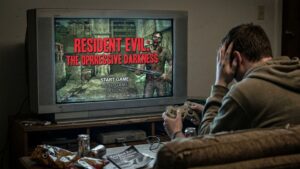
The Worst Resident Evil Game: A Look at the Most Disliked Entry in the Franchise

The Resident Evil series has been a cornerstone of survival horror gaming since its debut in 1996. Over the years, it has spawned numerous sequels, spin-offs, remakes, and even movies, becoming a franchise that is synonymous with the genre. However, like any long-running series, not every installment has been met with the same level of enthusiasm from both fans and critics. Among the many games in the Resident Evil series, there is one entry that consistently ranks at the bottom of most “worst” lists: Resident Evil 6. This installment has garnered a significant amount of criticism and remains one of the most divisive games in the series. In this article, we will explore why Resident Evil 6 is often considered the worst game in the franchise and delve into the reasons why it is disliked by so many players.
A Brief Overview of the Resident Evil Franchise
Before we dive into the specifics of Resident Evil 6, it’s important to understand the legacy and the evolution of the Resident Evil series. The franchise began with a survival-horror approach, with the first game setting the stage for what was to come. The early games focused heavily on atmosphere, puzzle-solving, and resource management, with a slow and methodical pace that emphasized tension and fear. Titles like Resident Evil 2 and Resident Evil 4 became iconic, further cementing the series as one of the most influential in gaming.
Over the years, however, the series has seen a shift. While the earlier titles were steeped in horror, later games, such as Resident Evil 5 and Resident Evil 6, began incorporating more action-oriented gameplay, moving away from the core survival-horror elements that fans had come to love. This shift in direction, coupled with gameplay changes and narrative choices, led to a mixed reception for some of the later titles. Despite its flaws, Resident Evil remains one of the most successful franchises in gaming history.
The Problem with Resident Evil 6
Released in 2012, Resident Evil 6 was a highly anticipated game that aimed to bring together several different storylines and characters from across the series. In this installment, players could control familiar characters such as Leon Kennedy, Chris Redfield, and Jake Muller, as well as newcomers like Helena Harper and Sherry Birkin. The game featured a sprawling narrative with four separate campaigns, each focusing on different characters and storylines. The intention was to deliver an epic, action-packed experience with varied gameplay styles. However, Resident Evil 6 quickly became one of the most criticized games in the franchise for several reasons.
Over-the-Top Action
One of the most significant departures from the core formula in Resident Evil 6 was its emphasis on action over survival horror. While previous titles had integrated action elements, Resident Evil 6 went all-in, with explosive set-pieces, quick-time events, and a more cinematic approach to combat. This change alienated many long-time fans of the series who appreciated the slow-building tension and strategy of earlier entries.
The game’s action-heavy design often felt out of place in the Resident Evil universe, where the focus had traditionally been on survival and resource management. Instead of scavenging for limited ammunition and solving intricate puzzles, players were thrust into high-octane shootouts and dramatic chase sequences. While action fans may have enjoyed this, it felt like a departure from the survival-horror roots that made the franchise so beloved.
Poorly Executed Story
Another major criticism of Resident Evil 6 was its convoluted and over-the-top storyline. The game attempted to juggle multiple campaigns, each with its own narrative thread. However, this led to a fragmented experience, where the plot felt disjointed and difficult to follow. The writing and character development were also criticized for being shallow and lacking the emotional depth of previous entries in the series.
The game’s main antagonist, the mysterious and seemingly invincible “Neo-Umbrella” organization, was also poorly developed, and their motivations were often unclear. This lack of coherent storytelling left many players feeling disconnected from the game’s world, which was a far cry from the compelling and immersive narratives of earlier Resident Evil games.
Control and Gameplay Issues
The gameplay in Resident Evil 6 was another area where the game fell short. While the game offered a more fluid control scheme, it was often clunky and unwieldy. The addition of quick-time events (QTEs) also frustrated many players, as they were often used in the middle of combat, making the action feel disjointed and unresponsive. The camera system was also problematic, with a lack of precision and difficulty in aiming, especially in tense combat situations. The game also struggled to balance the difficulty level, with some campaigns feeling too easy and others too challenging. The AI-controlled teammates were often unhelpful and would frequently get stuck in environmental obstacles, which made the experience more frustrating than enjoyable.
Lack of Horror Elements
Perhaps the most significant issue for many fans of the franchise was the complete absence of horror in Resident Evil 6. As mentioned earlier, the game leaned heavily into action, and this shift meant that the atmosphere of dread and fear that had defined earlier entries was nearly nonexistent. While the previous games had made players feel isolated and vulnerable, Resident Evil 6 felt more like a generic action game, devoid of the tension that made the series stand out.
The decision to focus on action rather than horror alienated many fans who had grown attached to the earlier games’ emphasis on suspense, exploration, and puzzle-solving. The lack of horror elements was particularly noticeable when compared to the excellent survival-horror experiences offered by Resident Evil 4 and Resident Evil 7.
The Reception and Backlash
Upon its release, Resident Evil 6 received a generally negative reception from both fans and critics alike. The game’s departure from the series’ survival-horror roots was a major point of contention, and many fans felt that it lacked the essence of what made Resident Evil great. The over-the-top action, confusing storylines, and gameplay issues led to widespread disappointment, particularly among those who had been fans of the earlier, more atmospheric titles. Despite the backlash, Resident Evil 6 still sold millions of copies and remains one of the best-selling games in the franchise. However, its critical reception has led to it being considered the least liked Resident Evil game by many, with its reputation tarnished by the overwhelming negative feedback.
Why is Resident Evil 6 Disliked?
There are several factors that contribute to the widespread dislike of Resident Evil 6. First and foremost, the game’s shift from survival horror to pure action was a betrayal for many long-time fans. While the earlier games in the franchise were known for their tension, atmosphere, and carefully crafted horror elements, Resident Evil 6 favored spectacle and quick-time events, which detracted from the series’ unique identity. Additionally, the game’s poorly executed story, lack of meaningful character development, and control issues all contributed to a frustrating and disjointed experience. Rather than offering the immersive, horrifying experience that fans had come to expect, Resident Evil 6 felt more like a generic action title that could have been anything else.
Finally, the absence of horror elements in a game that was supposed to be a continuation of a beloved survival-horror franchise left many players feeling disappointed. Resident Evil had built its legacy on fear, isolation, and survival, and Resident Evil 6 failed to deliver on any of those promises.
Conclusion
While Resident Evil 6 is not necessarily the “worst” game ever made, it is certainly considered one of the most disliked entries in the Resident Evil series. The game’s emphasis on action over horror, its muddled storyline, and its lackluster gameplay left a sour taste in the mouths of many fans. Despite its commercial success, Resident Evil 6 failed to live up to the high expectations set by its predecessors, and as a result, it remains one of the most controversial games in the franchise’s history. While the series has since rebounded with the critically acclaimed Resident Evil 7 and Resident Evil Village, Resident Evil 6 will likely remain a low point for many fans who continue to hold the earlier games in high regard.